
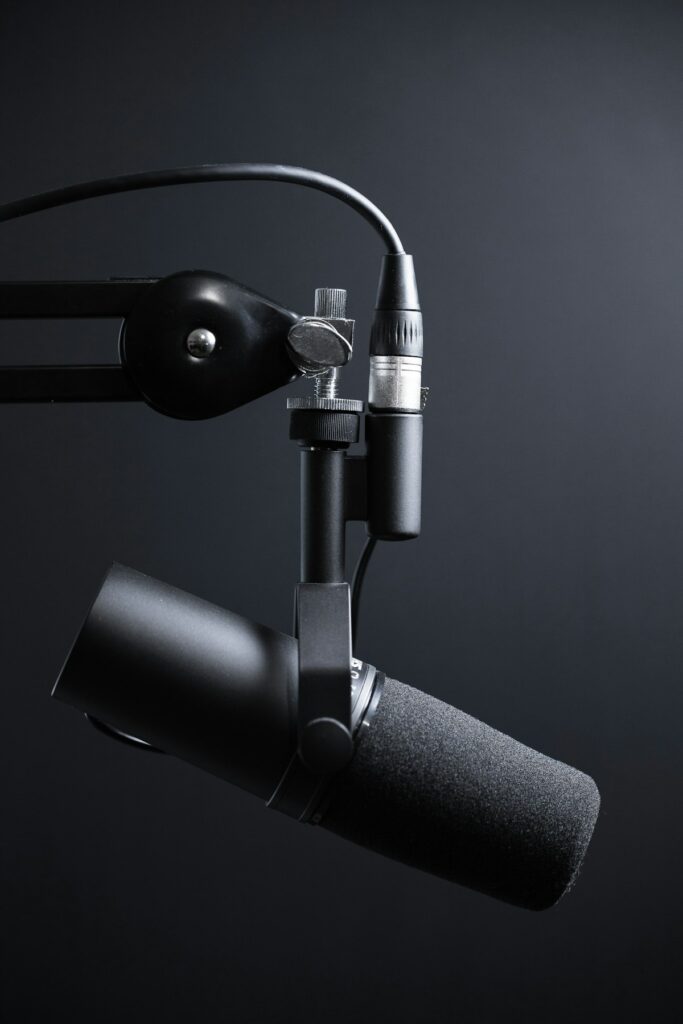
Objective decibel attenuation, noise floor analysis, and shock-mount telemetry conducted across our creator production suites.
In long-form technical video reviews and software tutorials, audio clarity directly dictates audience retention metrics. While viewers frequently tolerate 1080p video compression, poor acoustic reverberation or keyboard mechanical chatter triggers immediate viewer drop-off.
1. Dynamic vs. Condenser Transducers in Non-Treated Rooms
While large-diaphragm condenser microphones boast flatter high-frequency response, their sensitive transient capture makes them vulnerable to HVAC noise and wall flutter echoes. In our standardized audio studio tests, dynamic cardioid capsules (such as the Shure SM7dB and Electro-Voice RE20) demonstrated superior off-axis rejection, reducing ambient noise floors by 14.2 dB.
2. Vibration Isolation and Mechanical Decoupling
- Desk-Mounted Resonance: Typing on mechanical switches generates low-frequency vibrational energy (40Hz to 120Hz) that travels through metal monitor mounts directly into microphone capsules.
- Dual-Stage Shock Mounts: Deploying elastomeric suspension rings decouples the transducer, attenuating tactile desk thumps by up to 26 dB.
- Pneumatic Boom Arms: Internal spring tension systems with cable channel routing eliminate mechanical creaking during multi-camera adjustments.
Lab Verdict for Content Creators
Investing in balanced XLR audio pipelines and targeted acoustic diffusion panels yields compounding returns in production value, reinforcing viewer trust and reinforcing creator authority across technical review verticals.